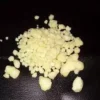


Buy 4-MEO-PCP Online
(4-MEO-PCP)Phencyclidine (PCP), known more commonly as angel dust, is a psychoactive drug that is regulated as a schedule I compound in the United States.4-methoxy PCP is an analog of PCP which has recently been commercially produced as a designer drug.It preferentially binds the σ-2 receptor (Ki = 143 nM) and less weakly binds the NMDA receptor and serotonin transporter (Kis = 404 and 844 nM, respectively).The toxicological properties of this compound have not been reported. This product is intended for forensic and research purposes.
What 4-MeO-PCP Is
4-Methoxyphencyclidine(methoxydine 4-MeO-PCP is a dissociativeanesthetic drug that has been sold online as a research chemical. The synthesis of 4-MeO-PCP was first reported in 1965 by the Parke-Davis medicinal chemist Victor Maddox.[1] A 1999 review published by a chemist using the pseudonym John Q. Beagle suggested the potency of 4-MeO-PCP in man was reduced relative to PCP, two years later Beagle published a detailed description of the synthesis and qualitative effects of 4-MeO-PCP, which he said possessed 70% the potency of PCP.buy 4-meo-pcp online was the first arylcyclohexylamine research chemical to be sold online, it was introduced in late 2008 by a company trading under the name CBAY and was followed by several related compounds such as 3MeO-PCP and methoxetamine.
4-MeO-PCP has lower affinity for the NMDA receptor than PCP, but higher affinity than ketamine, it is orally active in a dosage range similar to ketamine, with some users requiring doses in excess of 100 mg for desired effects.Users have reported substantial differences in active dose, these discrepancies can be partially explained by the presence of unreacted PCC and other impurities in samples sold on the grey market.Though 4-MeO-PCP has been suggested to possess dopaminergic activity, it is a relatively selective ligand for the NMDA receptor without appreciable affinity for the dopamine transporter.
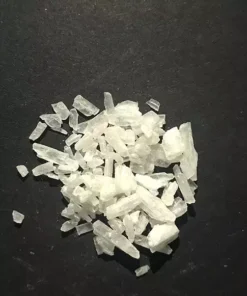
4-MeO-PCP hydrochloride is a white crystalline solid with a melting point of 181-182 °C
History and Development
The chemist Victor Maddox developed 4‑MeO‑PCP in 1965 while conducting pharmaceutical research on PCP-related compounds. The scientists investigated these compounds to study the brain effects of PCP-like anesthetics. Emergence as a “Research Chemical” The compound exists since its synthesis in the 1940s yet online research chemical markets started selling it around 2008 as one of the first dissociative analogs which appeared in that market. The compound was succeeded by multiple related analogs which included: 3‑MeO‑PCP Methoxetamine The substances which belong to this category are commonly known as new psychoactive substances (NPS) or research chemicals.
Health Risks and Safety Concerns
The safety of research chemicals remains uncertain because their clinical testing has been restricted to a small number of studies. Acute Risks The potential short-term dangers of this situation include: Severe confusion or agitation Psychosis-like states Loss of motor control Dangerous behavior due to impaired judgment Overdose risk because of product potency being different from expected levels The research indicates that PCP-type compounds have the ability to activate dopamine reward pathways which results in their potential to be misused.
Long-Term Risks
The demonstration of serious harmful effects which occur upon first exposure to the chemical establishes its complete prohibition for human use. The development of this chemical into a medicinal drug for human consumption requires further research studies to reach full realization. The scientists found that the marine species exhibited ongoing activity patterns which persisted throughout the entire research period. The study showed that cognitive decline and dissociative symptoms both progressed together with increasing age. More than 20 percent of children suffer from mood disorders which include depression. Unregulated markets present significant hazards because they sell products which contain unsafe materials and unapproved ingredients
| Weight | 10 Grams, 100 Grams, 1000 Grams, 25 Grams, 250 Grams, 50 Grams, 500 Grams |
|---|
Be the first to review “Buy 4-MEO-PCP Online”
Related products
Research Chemicals

Research Chemicals

Research Chemicals
Research Chemicals
Research Chemicals

Research Chemicals
Research Chemicals
Research Chemicals
Reviews
There are no reviews yet.