

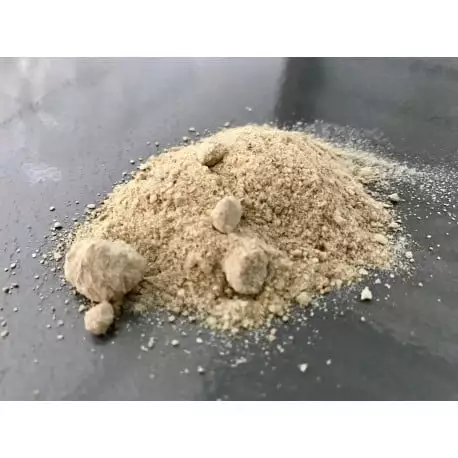
buy 5F-MDMB online
Price range: $190.00 through $1,360.00
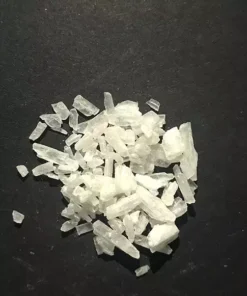
Purchase 5F-MDMB online safely and privately for legitimate scientific, pharmaceutical, forensic, and academic research use only. 5F-MDMB (5F-MDMB-PICA, 5F-ADB-PICA; CAS 1838134-16-9), a very potent synthetic cannabinoid receptor agonist and new psychoactive substance (NPS), a member of the indazole-3-carboxamide chemical family of compounds, is offered for sale as a high-purity analytical reference compound for legitimate research use only, with a minimum of 98-99% purity for controlled studies, including cannabinoid CB1/CB2 receptor binding assays, functional assays
Buy 5F-MDMB Online
Purchase 5F-MDMB online safely and privately for legitimate scientific, pharmaceutical, forensic, and academic research use only. 5F-MDMB (5F-MDMB-PICA, 5F-ADB-PICA; CAS 1838134-16-9), a very potent synthetic cannabinoid receptor agonist and new psychoactive substance (NPS), a member of the indazole-3-carboxamide chemical family of compounds, is offered for sale as a high-purity analytical reference compound for legitimate research use only, with a minimum of 98-99% purity for controlled studies, including cannabinoid CB1/CB2 receptor binding assays, functional assays
what is 5f-mdmb-pinaca
ethyl 3,3-dimethyl-2-{[1-(pent-4-en-1-yl)-1H-indazole-3-carbonyl]amino}butanoate, commonly referred to as MDMB-PINACA, is a synthetic cannabinoid that acts as a potent agonist at the cannabinoid receptors in the human body. This compound is structurally related to other synthetic cannabinoids and has been identified in various drug samples across Europe and beyond. MDMB-PINACA is characterized by its complex molecular structure, which includes an indazole core and a carboxamide linker, contributing to its psychoactive properties similar to those of Δ9-tetrahydrocannabinol, the primary psychoactive component of cannabis
Chemical Reactions of pinaca 5f adb
MDMB-PINACA undergoes various metabolic transformations in the body. In vitro studies using human liver microsomes have identified multiple phase I metabolites resulting from reactions such as ester hydrolysis, double bond oxidation, N-dealkylation, and hydroxylation. Notably, 14 metabolites were detected, with the most abundant being M3 (C19H27N3O5), which is derived from double bond oxidation and ester hydrolysis . These reactions significantly alter the potency of the compound, with some metabolites exhibiting much lower activity at cannabinoid receptors compared to the parent compound.
Kinetic Signaling Properties of 5f mdmb pinaca m7
The temporal dynamics of MDMB-PINACA signaling differ substantially from endogenous cannabinoids. Initial rate measurements reveal that MDMB-PINACA generates signals 40-fold faster than THC, with an initial rate maximum of 120% reduction in membrane potential per minute compared to 3.0% for THC [3] [15]. This enhanced signaling kinetics contributes to the rapid onset and intense effects associated with synthetic cannabinoid receptor agonists.
Receptor Regulation Mechanisms
Chronic exposure to pinaca liquid induces adaptive cellular responses through receptor down-regulation and desensitization mechanisms [1] [2]. The parent compound produces both CB1 receptor down-regulation (58.4% ± 2.6% reduction in receptor density) and functional desensitization in Chinese hamster ovary cells expressing human CB1 receptors [1] [2]. Interestingly, the metabolites M2 and M7 demonstrate differential regulatory patterns, producing receptor down-regulation without significant desensitization
| Weight | 10 Grams, 100 Grams, 1000 Grams, 25 Grams, 50 Grams |
|---|
Be the first to review “buy 5F-MDMB online”
Related products
Research Chemicals

Research Chemicals
Research Chemicals

Research Chemicals

Research Chemicals
Research Chemicals

Research Chemicals
Research Chemicals
Reviews
There are no reviews yet.