Buy Oxymorphone 10mg (opana) Online
Price range: $200.00 through $1,200.00
Order Oxymorphone 10mg (Opana) Online – Potent prescription opioid (oxymorphone) for moderate to severe pain relief. Explore Oxymorphone 10mg dosage, uses, side effects, half-life, addiction risks, Schedule II status, generic options & secure pharmacy access.
Order Oxymorphone 10mg (Opana) Online
– Potent prescription opioid (oxymorphone) for moderate to severe pain relief. Explore 10mg dosage, uses, side effects, half-life, addiction risks, Schedule II status, generic options & secure pharmacy access.
What is oxymorphone pill
tghis tablet is a powerful semi-synthetic opioid analgesic derived from thebaine, an opium alkaloid. It is 3 to 10 times more potent than morphine and has a medical use for the treatment of moderate to severe acute pain and, on occasion, chronic cancer pain when other opioids are ineffective.
Key Facts
Chemical name: 4,5α-Epoxy-3,14-dihydroxy-17-methylmorphinan-6-one
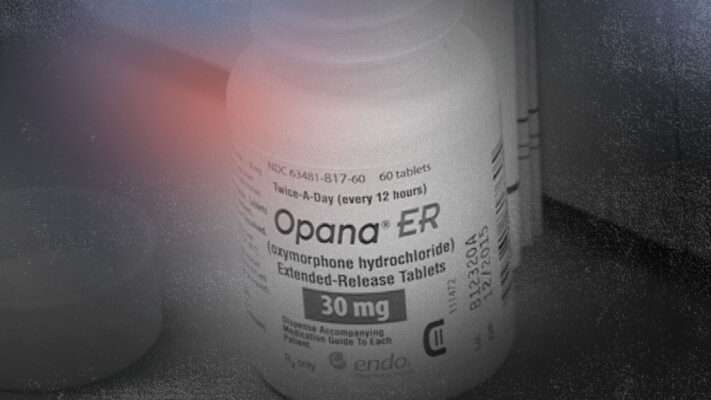
Brand names: Opana (immediate-release tablets), Opana ER (extended-release, discontinued in US in 2017)
Forms: Immediate-release tablets (5mg, 10mg), injectable (for hospital use), suppositories (rare)
Schedule: Schedule II controlled substance in the US (high abuse potential, accepted medical use, severe dependence risk)
Mechanism: Full agonist of the mu-opioid receptor; binds strongly to pain pathways in the brain/spinal cord, causing analgesia, euphoria, sedation
Medical Uses of oxymorphone tablet
Severe acute pain (surgical, injury, trauma, burns)
Chronic severe pain (e.g., cancer, palliative care) when tolerance develops to weaker opioids
Not usually a first-line choice but may be used when morphine, hydrocodone, or oxycodone is inadequate
Side Effects
High addiction/de dependence potential – tolerance quickly developed
Overdose effects: respiratory arrest, coma, death – esp. w/ alcohol, benzos, other opioids
Common side effects: drowsiness, dizziness, nausea/vomiting, constipation, itching
Withdrawal effects: flu-like symptoms, anxiety, cramps, insomnia, severe discomfort
Abuse history: often crushed/snorted/injected; ER formulation was abused before it
What kind of opoid is Oxymorphone?
Dose Equivalence
Conversions are approximate and subject to individual variations, tolerance, and cross-tolerance.
Start low when converting between opioids; consider a 25 to 50 percent reduction.
Example: 10 mg PO oxymorphone is equivalent to 20 mg PO oxycodone (approximately 2:1 ratio for pain management guidelines).
Both have serious side effects: respiratory depression (which can cause death), addiction, tolerance, and withdrawal symptoms.
Both are Schedule II controlled substances.
Neither is inherently better than the other; oxymorphone is indicated for breakthrough cancer pain of severe type or when oxycodone tolerance occurs.
However, oxycodone is more commonly used because of availability, familiarity, and formulation options.
Use under medical guidance only.
Do not use with alcohol or other CNS depressants
Oxymorphone vs Hydromorphone – straight comparison, English only, no bullshit.
Both are strong μ-opioid agonists for moderate-to-severe pain. Pure full agonists, Schedule II, high abuse potential.
Oxymorphone pill
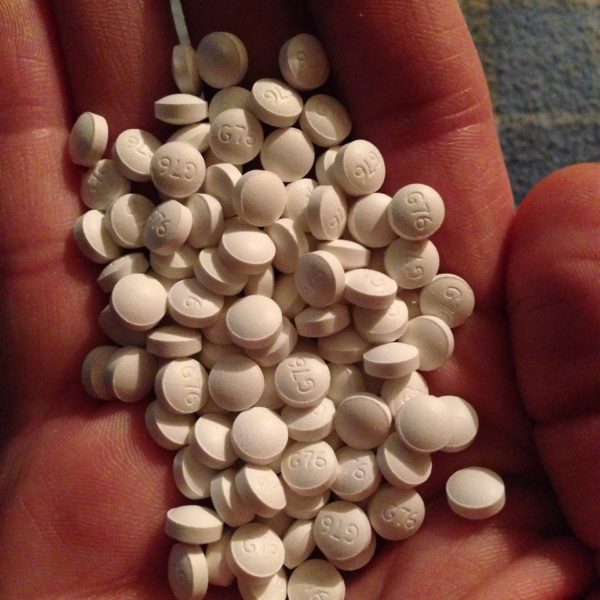
Strengths: 5 mg, 7.5 mg, 10 mg, 15 mg, 20 mg, 30 mg, 40 mg.
Shape: Round or occasionally oblong/octagonal.
Colors vary considerably between manufacturer and generic:
5 mg: Pink or white round tablets marked ‘5’ and ‘E’.
7.5 mg: Gray.
10 mg: Orange or peach.
15 mg: White round.
20 mg: Green or tan (Actavis 229 tan round).
30 mg: Brown.
40 mg: Orange round (G74 orange) or white.
| Quantities | 100 Tablets, 1000 Tablets, 180 Tablets, 200 Tablets, 300 Tablets, 400 Tablets, 500 Tablets |
|---|
Be the first to review “Buy Oxymorphone 10mg (opana) Online”
Related products

Painkillers Drugs

Painkillers Drugs

Painkillers Drugs

Painkillers Drugs

Painkillers Drugs

Painkillers Drugs

Painkillers Drugs

Painkillers Drugs
Reviews
There are no reviews yet.