
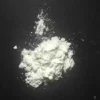

Buy Isopropyl 99% online
Price range: $215.00 through $1,090.00
isopropyl High-quality IPA solvent for industrial, lab, electronics, and cleaning applications. High purity, quick evaporation, reliable supplier, and free shipping. Purchase now for dependable quality and prompt delivery.
Isopropyl (IPA / Isopropanol)
Commonly referred to as IPA, isopropanol, or 2-propanol, isopropyl alcohol is a colorless, multipurpose, flammable liquid with a strong, musty smell. With the chemical formula C₃H₈O (or CH₃CHOHCH₃), it is classified as a secondary alcohol in which the hydroxyl group binds to a carbon that is bonded to two additional carbons. Unlike linear propanol isomers, isopropyl alcohol has a branched chain in its structure. In organic chemistry, this basic isopropyl group (—CH(CH₃)₂) is an essential building block.
Over a million tonnes of this product are produced annually worldwide through propylene hydration (direct or indirect sulfuric acid processes). It is a precursor to glycerol, isopropyl acetate, acetone (through dehydrogenation), and other derivatives.
Isopropyl alcohol 99% (or 99% pure): A near-anhydrous alcohol, which is best suited for moisture-sensitive cleaning, flux residue removal from electronics, and fast evaporation with minimum residue formation.
Isopropyl alcohol 70%: It is diluted with water to give the best disinfecting results. Water slows the rate of evaporation, which allows better penetration of microbes (kills bacteria, viruses, fungi faster than 99% solutions in many instances, according to CDC guidelines).
Isopropyl alcohol spray: These come in aerosol containers or pump dispensers, which are best suited for quick surface sanitizing, laboratories, or first-aid kits.
Isopropyl alcohol SDS: These are the Safety Data Sheets that list the hazards associated with the substance. It includes the fact that the substance belongs to Category 2 flammable liquid, eye irritation (Category 2A), specific target organ toxicity after ingestion, inhalation, etc. (narcotic effects, Category 3 after a single exposure)
Where to Buy Isopropyl Near Me
You can find it at chemheaven.com. In USA, it is available in: Isopropyl alcohol Bunnings (contains Diggers 125ml/500ml bottles, suitable for cleaning); isopropyl alcohol Woolworths (Artist Choice 100% or equivalent, found in the medical section and cleaning section).
Can you use isopropyl to clean
Yes, this chemical also called rubbing alcohol or IPA, is one of the most versatile and effective cleaners out there, especially isopropyl alcohol 70% for disinfection and isopropyl alcohol 99% for residue-free degreasing and drying.
it is great for dissolving oils, grease, grime, adhesives, fingerprints, flux, and many organic residues, and it kills bacteria, viruses, and fungi, especially the 70%, as the water helps to penetrate the cells before the alcohol denatures the proteins.
Does isopropyl alcohol expire.
Most people think expiration means danger – but with isopropyl alcohol, it just fades in strength over time. What you’re left with isn’t harmful, only weaker. Rubbing alcohol doesn’t turn toxic; it simply gets worse at killing germs. The shelf life matters less because the result isn’t spoilage – it’s a drop in performance. Old IPA still looks clear, yet works slower when cleaning surfaces. Over months, evaporation sneaks in if the cap wasn’t sealed tight. Even so, using expired rubbing alcohol won’t hurt your skin. It just might take longer to disinfect properly. Manufacturers print dates not for safety, but for peak efficiency.
One bottle out of three might lose strength past two years, especially those filled with 70% or 99% isopropyl alcohol. Time moves on, then effectiveness can dip beyond the printed date
Over time, the alcohol slips away into the air once the bottle opens. What remains is mostly water, which changes the mix little by little. Evaporation hits hardest when the container sits uncovered. Gradually, the solution loses its strength without anyone pouring it out.
When alcohol levels go down, so does germ-killing strength. Water plays a role – around 70% works best since it lets the solution seep into microbes more easily. Below that point, the mix struggles to clean surfaces well.
Even after the expiry date, it cleans well – provided it hasn’t been watered down too much or mixed with gunk. What matters most is strength and purity, not the calendar. Old stock can pull off grease removal if stored decently. Time alone won’t ruin its power to cut oil. Just check how thick or dirty it looks before using. A murky look might mean trouble. As long as clarity holds, performance follows. Dusty bottle? Wipe it first. Past prime doesn’t always mean broken. Clarity beats age every time.
Can you drink isopropyl alcohol
Drinking isopropyl alcohol? That will make you very sick. This substance – sometimes labeled isopropanol or rubbing alcohol – is dangerous if swallowed. Not at all like the kind found in drinks such as beer, wine, or spirits. Ethanol sits in those bottles; this stuff does something entirely different inside your body.
Why It’s Dangerous
Inside your system, 99 isopropyl alcohol turns into acetone – yes, the stuff in nail polish remover – and that substance can harm you.
Is isopropyl the same as rubbing alcohol
Far from identical, it mixes with what you call rubbing alcohol – though nearly everyone treats them as twins. Yet a small gap sits between, hidden in plain sight.
A strong-smelling, transparent fluid known as isopropyl alcohol pops up in labs and workshops alike. That sharp odor? It’s the scent of C₃H₈O doing its job. Nearly all of it – say, 99 percent – might sit in a bottle with barely any water mixed in. Some bottles hold slightly less purity, like 91 percent versions. Instead of blending quietly into the background, it cuts through grease or wipes down circuit boards. Not just limited to cleaning tasks, it shows up wherever solvents are needed.
A splash of rubbing alcohol sits ready on many shelves. Most often it carries isopropyl alcohol swimming in water, about seventy parts alcohol per hundred. Ethanol shows up now and then instead. Water brings down the strength so it won’t evaporate too fast. Bitter stuff gets mixed in to keep people from sipping it. A dash of scent might hide the sharp smell. Color sometimes slips into the bottle just to tell it apart.
How to dispose of isopropyl alcohol
General Rules (Never Do These)
- Never pour it down the drain or toilet unless tiny amount (<5% concentration) and local regs allow it (most places say no, especially for 70%+ or 99%).
- Never throw full/strong bottles in regular trash – fire risk + environmental harm.
- Never pour on ground, storm drain, or abandon it – pollutes water/soil.
| Weight | 100 Grams, 25 Grams, 250 Grams, 50 Grams |
|---|
Be the first to review “Buy Isopropyl 99% online”
Related products
Research Chemicals

Research Chemicals
Research Chemicals

Research Chemicals
Research Chemicals

Research Chemicals

Research Chemicals

Research Chemicals
Reviews
There are no reviews yet.